
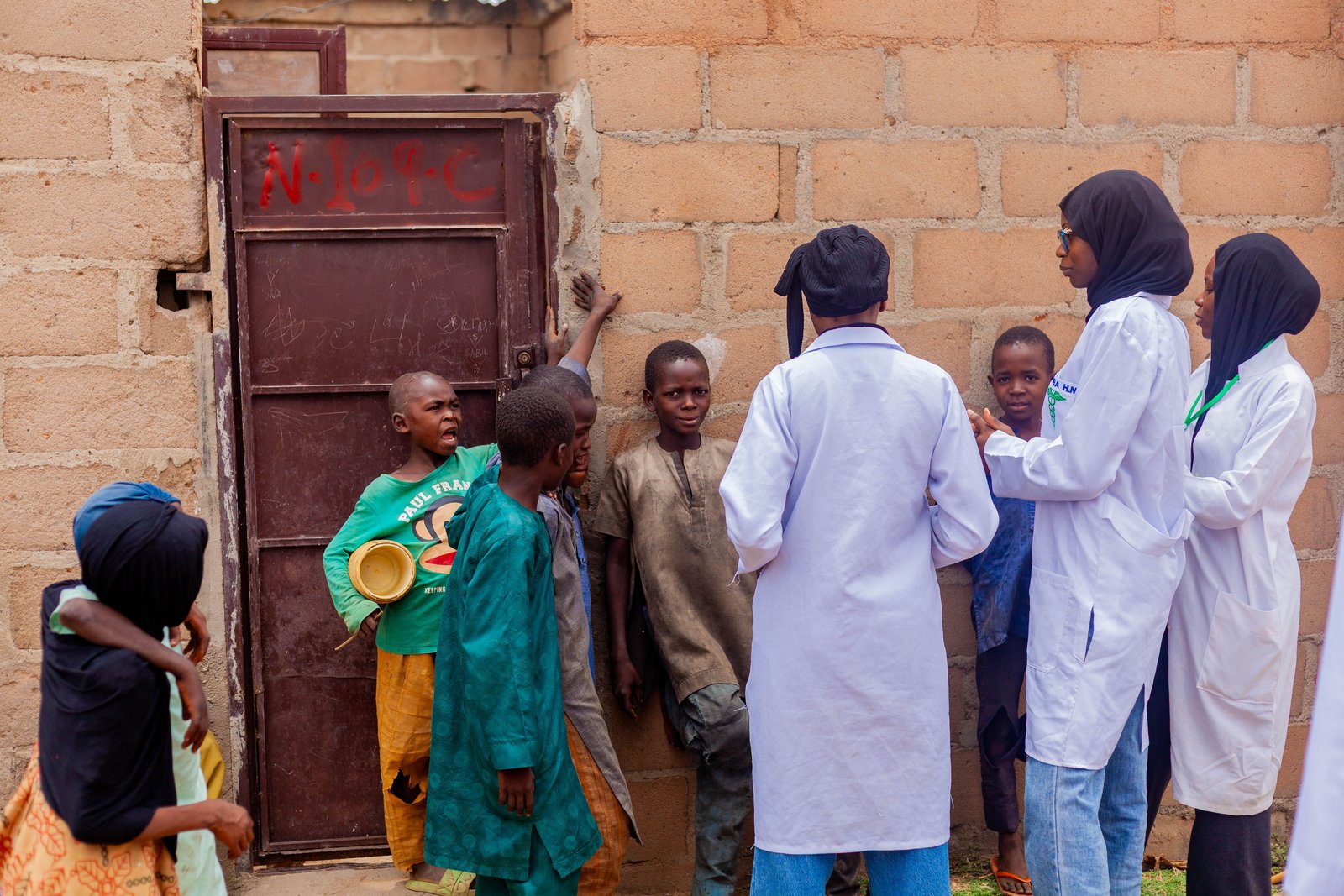
Revitalising Primary Healthcare Through Local Management Reforms in Kano State, Nigeria
Download DocumentDeep Dive Overview
A 2021 assessment in Kano State revealed that less than 1% of primary healthcare facilities met the standards for the national Minimum Service Package (MSP). The intervention, led by the Kano State Primary Health Care Management Board (KSPHCMB) with technical support from the Clinton Health Access Initiative (CHAI), adopted a delivery-based approach focused on optimising existing resources rather than seeking new capital investments.
The system transitioned from a top-down model to a bottom-up prioritisation model. Facility managers were trained in financial management, including budgeting and cashbook use. Multidisciplinary teams — including facility staff, local government representatives, and Ward Development Committees — were engaged to identify specific bottlenecks and co-develop six-monthly improvement plans. A new policy standardised the recruitment and remuneration of temporary staff, who make up 60% of Kano's PHC workforce.
Policy Recommendations
Health systems should empower frontline facility managers to identify their own service delivery bottlenecks and co-develop improvement plans. This can include strengthening managers’ foundational financial management capacities, including budgeting and cashbook use, to support more effective prioritisation and use of available resources
To address human resource shortages, systems should implement policies that standardise the recruitment and remuneration of temporary staff, allowing facilities to hire and retain skilled workers at their convenience
Significant improvements in infrastructure and staffing can be achieved by enhancing the allocative efficiency of current funds rather than waiting for massive new state investments
Health systems should ensure that local actors are meaningfully engaged in the development of facility business plans so that interventions are better aligned with community priorities, service delivery realities, and local needs
Governments should strengthen supply chain management by introducing real-time stock visibility and forecasting systems that connect health facilities directly to central procurement agencies, alongside minimum stock threshold alerts to reduce persistent stockouts of essential medicines
Policymakers should recognise that improving facility readiness alone may be insufficient to increase uptake of some services, including facility-based deliveries. Health systems should therefore invest in identifying and addressing the cultural and social barriers that continue to discourage care-seeking
Key Numbers
primary healthcare facilities assessed
increase in monthly ANC attendance
increase in nurses and midwives
rise in 24-hour service provision
Deep Dive Summary
An evaluation of Kano State primary healthcare reforms aiming to enable facilities to meet national Minimum Service Package (MSP) standards through local resource optimisation, bottom-up budgeting, and standardised recruitment of temporary staff.
Content Type
Case Study
Region
Western Africa
Author
Research Team
Read Time
10 min
Key Findings
Less than 1% of Kano State primary healthcare facilities met the national Minimum Service Package (MSP) standards at baseline in 2021.
Average antenatal care visits more than doubled from 172 to 429 visits per month across the 49 focal facilities.
The number of midwives and nurses increased fourfold through targeted temporary hiring supported by existing budget allocations.
Facilities providing 24-hour services rose from 53% to nearly 80%, and over 90% gained access to backup generators.
The proportion of facilities meeting MSP room count requirements rose from 65% to 90%.