
Crowdsourcing Community-Based Health Insurance for the Informal Sector in Uganda
Download DocumentDeep Dive Overview
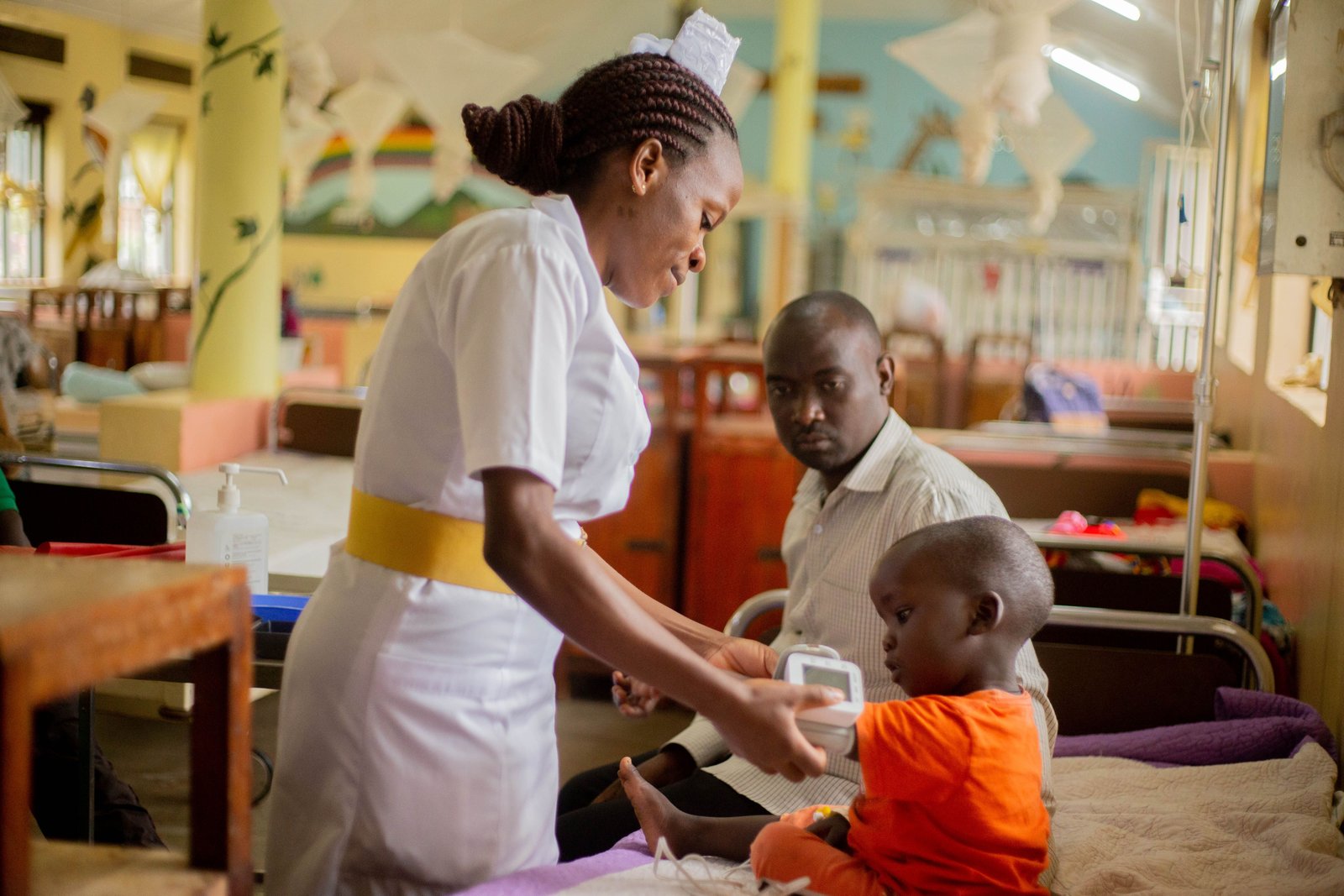
Munno mubulwadde ('your friend indeed') is a community-led Community-Based Health Insurance (CBHI) scheme operating in the Luwero District of rural central Uganda. Established in 2006, it is structured as a union of ten individual CBHI sub-schemes that signed a cooperative agreement to pool risks and achieve economies of scale. Unlike many other schemes in Uganda that are run by hospitals, Munno mubulwadde is non-provider-based, meaning it was initiated and is managed by the community members themselves.
Nearly 30% of Ugandans live on five dollars or less a day, and more than a third of the poor do not seek medical care when ill due to costs. Uganda has some of the highest out-of-pocket costs in the region, estimated at 38%. Annual premiums for the scheme range from $17 to $50 depending on the selected package. To make these costs affordable for low-income farmers, the scheme allows instalment payments through community saving groups or micro-financing institutions. The scheme has contracted 13 private health facilities and has remained operational for nearly two decades.
Policy Recommendations
Support non-provider-based, community-led models. While many community-based health insurance (CBHI) schemes are run by provider-based hospitals, governments should encourage community-led and member-managed unions
Policy interventions should ensure that premium collection is synchronised with seasonal livelihoods in the informal sector. For example premiums can be scheduled for harvest seasons for agrarian households when farmers have liquid cash, rather than fixed calendar months. This can help bolster retention of scheme memebers
Governments should implement macroeconomic protection strategies such as price stability of agricultural produce and support farmer cooperatives to ensure that fluctuating crop prices do not lead to mass attrition from health insurance schemes
To achieve Universal Health Coverage (UHC), policy-makers should create frameworks that allow community schemes to contract high-quality private health facilities
Policy should focus on expanding the network of accredited providers in rural areas to mitigate barriers of physical access
Key Numbers
sub-schemes pooled into the union
private facilities contracted
of sustained operation since 2006
annual premium range per household
Deep Dive Summary
A study of the Munno mubulwadde community-led insurance scheme in Uganda, detailing how risk-pooling, flexible instalment payments, and contracted private clinics protect low-income agrarian households from catastrophic health expenditure.
Content Type
Case Study
Region
Eastern Africa
Author
Research Team
Read Time
10 min
Key Findings
The Munno mubulwadde union pooled ten separate community-based insurance schemes to achieve economies of scale and contract private clinics.
Insurance coverage acted as a financial cushion that significantly reduced catastrophic out-of-pocket expenses for rural farming households.
The scheme is particularly effective for households with children under five, who are frequently prone to febrile illnesses like malaria.
One member highlighted saving 160,000 shillings ($44) on a single scan and x-ray bill due to their coverage.
The programme has sustained implementation over 20 years, demonstrating long-term viability of community-led models.